18 Day Parasite Cleanse - according to Dr. Hulda Clark
In the life cycles of most digenetic trematodes, cercariae encyst in or on a second intermediate host, forming a metacercariae (singular = metacercaria). When the second intermediate host is eaten the metacercariae excyst in the definitive host's intestinal tract, thus establishing an infection. A specialized type of metacercaria, the "neascus metacercaria," is found in the genus Uvulifer. It causes "black spot" in fish. The following images are metacercariae. The last three images are from unknown species of trematodes. 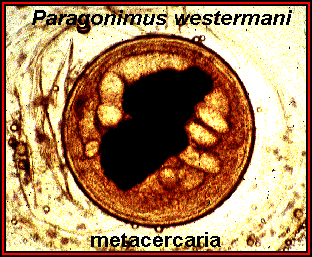
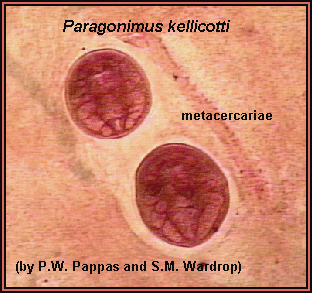 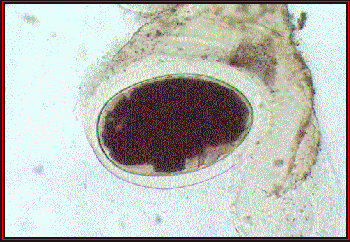 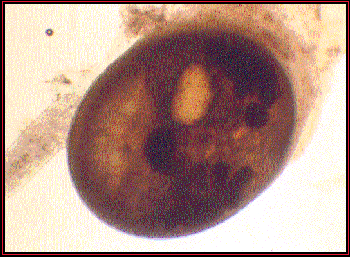 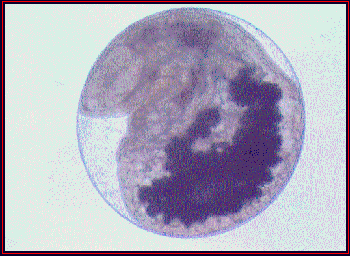 These wonderful images are provided to you by: www.biosci.ohio-state.eduThey have an extensive library of information on over 300 types of parasites! 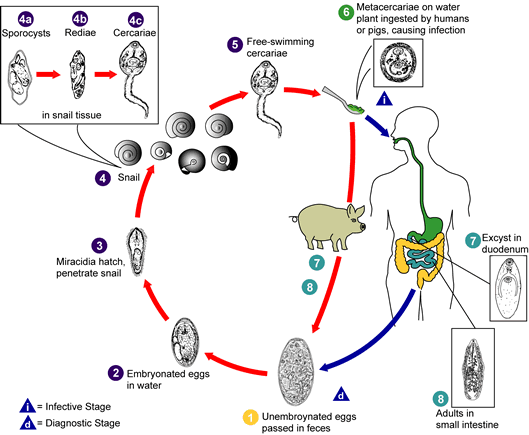
18 Day Parasite Cleanse DISCLAIMER: These statements about parasites, parasite cleanse, colon and bowel cleansing have not been evaluated by the FDA. The use of these herbal supplements is a traditional use that is not intended to be prescribed for, treat, or claim to cure any disease, including diseases involving the colon and bowels.
DO NOT take the Clark cleanse products during pregnancy or lactation. Any statements about a parasite cleanse or other body cleanse,
alternative medicine,
whole foods,
etc...are
not intended to diagnose, treat, cure, or prevent any disease.
Suggestions and ideas presented in this document are for
information only and should not be interpreted as medical
advice, meant for diagnosing illness, or for prescriptive
purposes.
18 day
parasite cleanse by Dr. Hulda Clark.
|